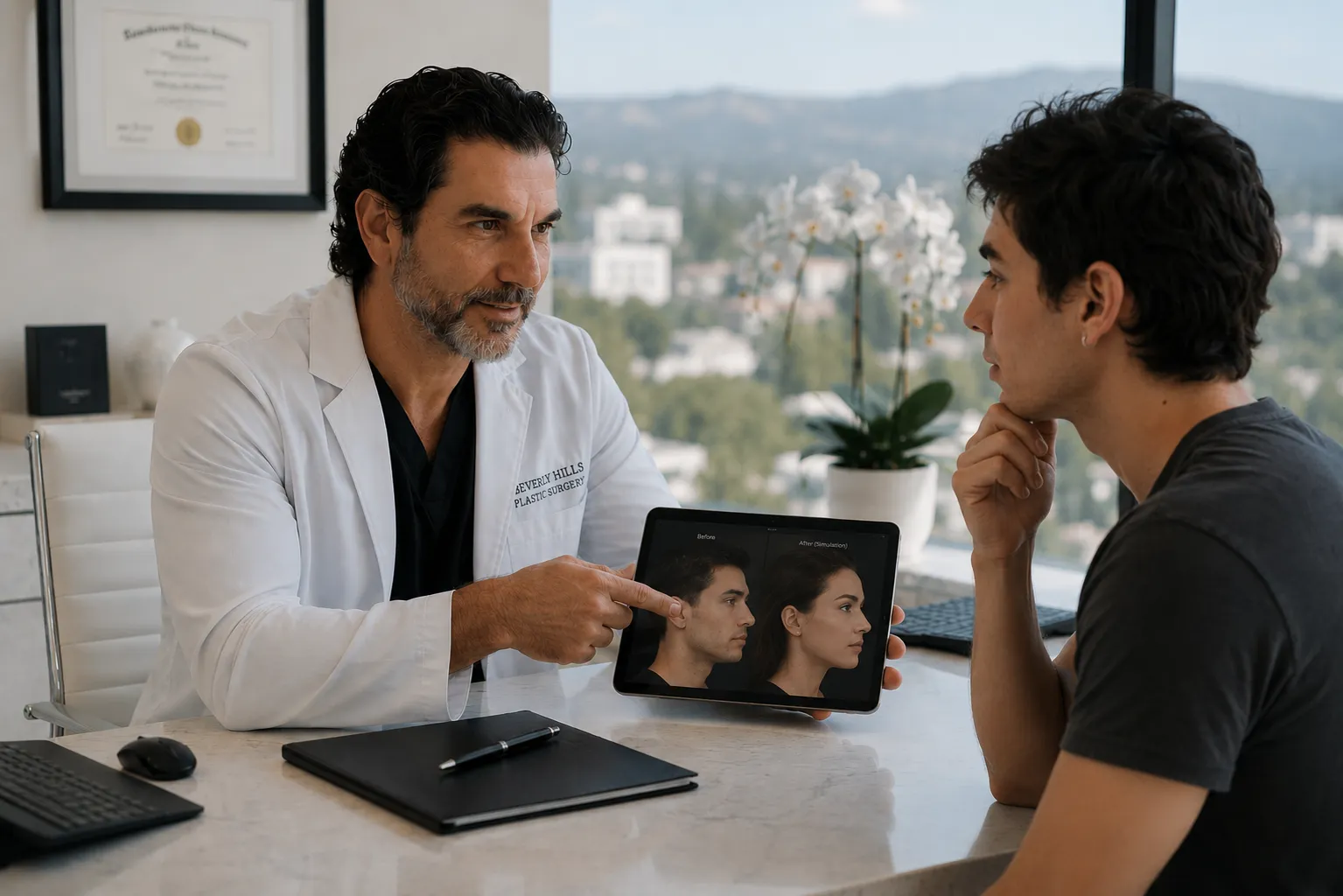
Recovery after gender affirming surgery is not a single moment but a considered arc — one that unfolds across weeks, months, and sometimes longer, depending on the procedure and the person. It is the quiet, deliberate work that follows the operating room: rest, gentle movement, wound care, follow-up appointments, and the slower, less visible adjustments of body and mind settling into something new.
Why does it matter? Because the outcome you carry forward is shaped as much by these weeks as by the surgery itself. Healing well protects the results, reduces the risk of complications, and gives your body the space it needs to soften into its changes. Just as importantly, recovery is where emotional and practical realities meet — where support networks, time off, and honest expectations become essential rather than optional. Approached with patience and good information, it becomes less a hurdle to endure and more a passage to move through thoughtfully.
What Is recovery after gender affirming surgery?
Recovery after gender affirming surgery is the considered period following your procedure during which the body heals, sensation settles, and the surgical result gradually reveals itself. It is both a physical process and a personal one, unfolding across weeks and months rather than days, and it deserves the same thoughtfulness that shaped the decision to have surgery in the first place.
In practical terms, recovery encompasses wound care, managed rest, follow-up appointments, gentle reintroduction of movement, and the return to work, intimacy, and daily rhythms at a pace guided by your surgeon. Depending on the procedure — whether facial, chest, genital, or body contouring — the timeline and demands differ. Some people are largely comfortable within a fortnight; others require several months before final results and full stamina are apparent. Swelling, bruising, altered sensation, and fatigue are expected companions in the early stages, and each resolves on its own quiet timeline.
Context matters. Recovery is not simply the absence of complications; it is the environment in which healing happens well. That includes a private, restful setting, someone trusted nearby in the first days, sensible nutrition, sleep, and space for the emotional weight that often accompanies a long-anticipated change. Many people describe a mixture of relief, tenderness, impatience, and quiet recognition as they move through it.
Understood this way, recovery is less a hurdle to clear than an integral chapter of the surgery itself — one worth planning for with the same care as the operation.
Key Benefits of recovery after gender affirming surgery
 %22%2F%3E%0A%20%20%3Cg%20transform%3D%22translate(666%20410)%20scale(8.542)%22%20fill%3D%22none%22%20stroke%3D%22%23f9fafb%22%20stroke-width%3D%222%22%20stroke-linecap%3D%22round%22%20stroke-linejoin%3D%22round%22%20opacity%3D%220.3%22%3E%0A%20%20%20%20%3Crect%20x%3D%223%22%20y%3D%223%22%20width%3D%2218%22%20height%3D%2218%22%20rx%3D%222%22%2F%3E%0A%20%20%20%20%3Ccircle%20cx%3D%229%22%20cy%3D%229%22%20r%3D%221.8%22%2F%3E%0A%20%20%20%20%3Cpath%20d%3D%22M21%2015l-5-5L5%2021%22%2F%3E%0A%20%20%3C%2Fg%3E%0A%20%20%3Ctitle%3EKey%20Benefits%20of%20recovery%20after%20gender%20af%3C%2Ftitle%3E%0A%3C%2Fsvg%3E)
Recovery is often framed as the quiet chapter that follows the main event. In truth, it is where much of the outcome is actually shaped. A considered, well-supported recovery after gender affirming surgery does more than protect the surgical result — it becomes part of the transition itself, giving the body and the mind time to settle into what has changed.
The most immediate benefit is physical: tissues heal more predictably, swelling resolves more evenly, and scars mature with less tension when the body is allowed the rest it genuinely needs. Complications that might otherwise require revision — delayed healing, contour irregularities, unnecessary scarring — are far less common when aftercare is treated as a discipline rather than an afterthought. In this sense, recovery is where the finer aesthetic and functional results are quietly earned.
There is also a psychological dimension that deserves the same attention. Emerging into a body that reflects who you are can be affirming and, at times, unexpectedly emotional. A protected recovery period offers space to meet those feelings without the pressure of performance — no rush back to routines, no need to explain yourself before you are ready. Many people describe this stretch of time as the first in which they feel unhurried in their own skin.
Practical advantages follow. Sleep improves. Mobility returns on a steadier timeline. Follow-up appointments become useful conversations rather than troubleshooting sessions. Return to work, intimacy and exercise happens on terms that suit the individual, not an arbitrary calendar.
Perhaps the greatest value, though, is confidence — the quiet kind. Knowing you gave the process the time and care it required means the result belongs to you fully, without asterisks. Recovery, handled with intention, is less a pause than a foundation.
How recovery after gender affirming surgery Works
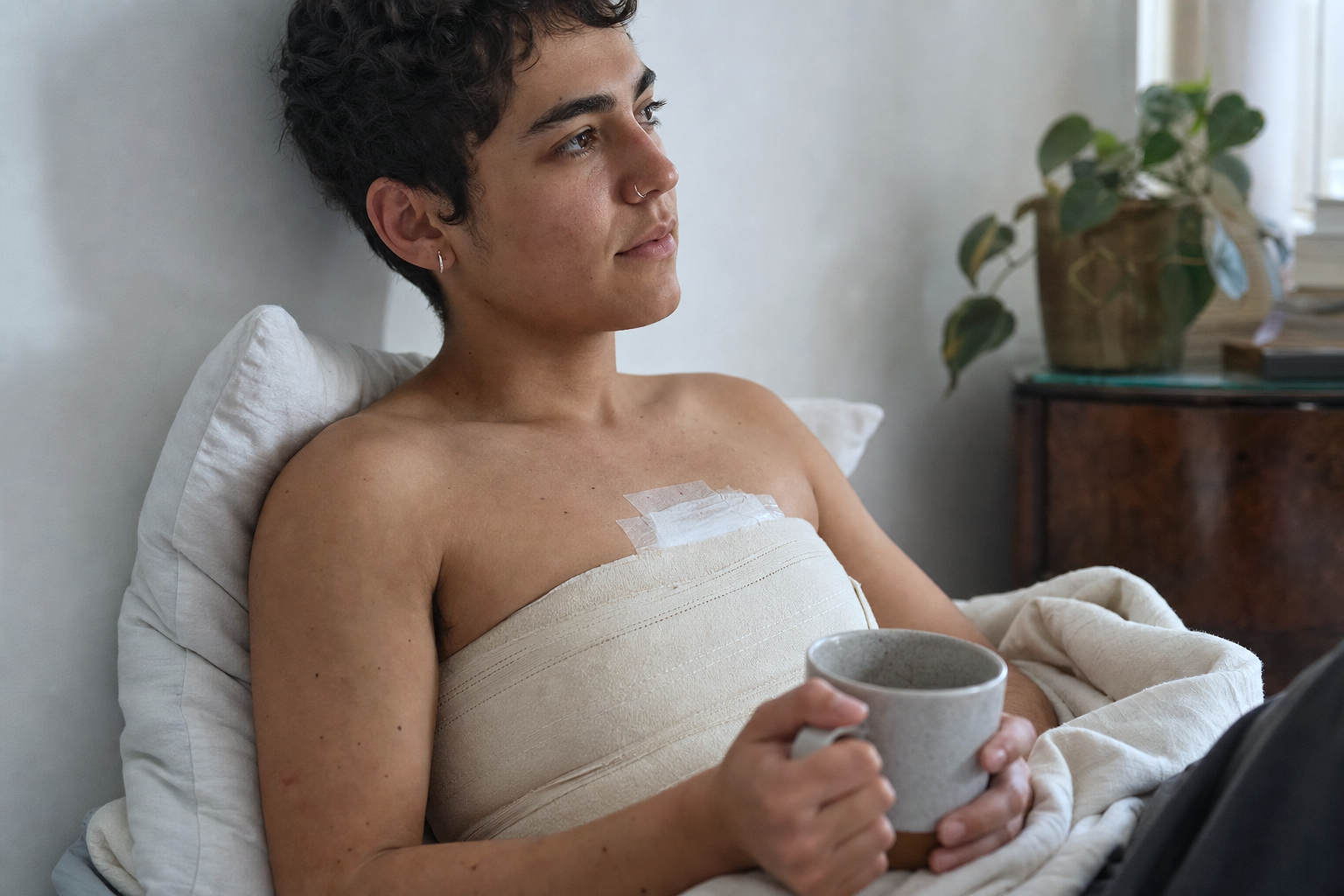
Recovery after gender affirming surgery unfolds in distinct phases, each with its own rhythm and requirements. Understanding the sequence can make the weeks ahead feel less uncertain.
The first 72 hours. Your body begins the earliest stage of wound healing, called hemostasis and inflammation. Swelling, bruising, and fatigue are expected. Drains may be in place to prevent fluid buildup, and pain is managed with a tailored medication plan. Movement is limited but not absent — gentle repositioning helps circulation and reduces the risk of clots.
Days 4 through 14. The proliferative phase begins. New tissue forms, sutures settle, and swelling gradually shifts rather than disappears. Most people transition off stronger pain medication during this window. Dressings are changed on a set schedule, and follow-up appointments confirm that healing is tracking as expected. Sleep positioning, compression garments, and hygiene routines become part of daily life.
Weeks 3 through 6. Energy returns in uneven waves. Light walking expands into longer stretches. Depending on the procedure, dilation protocols, scar care, or nipple grafting aftercare become the focus. Sensation may feel muted, sharp, or unfamiliar — this is the nervous system recalibrating, not a setback.
Months 2 through 6. Remodeling begins. Collagen reorganizes, scars soften and lighten, and contours refine. Restrictions on lifting, swimming, and strenuous exercise lift in stages, always guided by your surgeon rather than a calendar. Emotional adjustment often catches up here, as the body starts to feel like your own again.
Six months and beyond. Final results continue to emerge for up to eighteen months. Tissue settles, sensation matures, and any minor revisions — if desired — are typically considered after the first year.
Recovery is less a straight line than a slow, deliberate return to yourself.
Common Questions About recovery after gender affirming surgery
How long before I feel like myself again? Most people describe the first two weeks as the heaviest stretch, with noticeable ease around weeks four to six. Full internal healing, however, unfolds quietly over six to twelve months. Patience tends to serve you better than milestones.
When can I return to work? Desk-based roles are often manageable at three to four weeks, provided you can rest when needed. Physical work usually requires six to eight weeks, sometimes longer. Speak candidly with your surgeon before committing to a date.
Is the pain difficult to manage? Discomfort is real but generally well-controlled with prescribed medication in the early days, transitioning to over-the-counter options within a week or two. Sharp or escalating pain always warrants a call to your care team.
What about scarring? Scars mature over twelve to eighteen months, softening and fading considerably. Silicone sheets, sun protection, and gentle massage — once cleared — make a visible difference over time.
When can I resume exercise and intimacy? Light walking begins almost immediately and is encouraged. Structured exercise typically resumes between six and eight weeks. Intimacy timelines vary by procedure; your surgeon will offer guidance grounded in your specific healing.
How do I know if something isn't right? Fever, unusual swelling, sudden bleeding, or wounds that change in appearance should prompt immediate contact with your surgical team. Trust your instincts — a quick call is always preferable to waiting.
Will I need emotional support? Often, yes. Recovery is physical and quietly emotional in equal measure. Arranging a therapist or trusted confidant in advance is a considered, worthwhile step.
Conclusion
Recovery after gender affirming surgery is less a single event than a considered season of your life. The body needs time. So does the mind. Rest, gentle movement, honest communication with your care team, and a home environment shaped around your comfort will carry you further than any shortcut or comparison to someone else's timeline.
A few things worth holding onto: healing is rarely linear, small daily habits matter more than grand gestures, and asking for support is a sign of good judgment, not weakness. Nutrition, sleep, and follow-up appointments quietly do much of the work.
When you feel ready, take one practical step this week. Prepare a recovery plan with your surgeon, arrange the people and provisions you'll lean on, and give yourself permission to move at your own pace. If you'd like tailored guidance, reach out to our team for a private consultation.
Learn more about Top Surgery.