
Chest reconstruction sits at the center of masculinizing surgery for many transgender and nonbinary patients, and the technique chosen shapes both the result and the recovery. FTM top surgery techniques are not a single procedure but a small family of approaches, each suited to a particular chest size, skin quality, and personal priority. The most common are double incision with free nipple grafts, periareolar (or "keyhole") incisions, and buttonhole variations that preserve the nipple stalk. Some patients are candidates for one method only; others have a genuine choice to make, weighing scar pattern against sensation, contour against revision risk.
Understanding these options matters because the decision is largely irreversible, and small differences in surgical planning can mean the difference between a chest that reads naturally and one that requires further work. What follows is a considered look at each technique, written for people making that decision carefully.
What Is ftm top surgery techniques?
FTM top surgery techniques refer to the surgical approaches used to reshape the chest for transmasculine and non-binary patients seeking a flatter, more traditionally masculine contour. The work involves removing breast tissue, adjusting the skin envelope, and, in most cases, resizing and repositioning the nipple-areola complex. The choice of technique is guided by chest size, skin elasticity, degree of ptosis, nipple position, and the patient's own priorities around scarring, sensation, and recovery.
Several established methods exist. Double incision with free nipple grafts remains the most widely performed, offering predictable flattening for larger or looser chests at the cost of horizontal scars across the pectoral border. Periareolar and circumareolar approaches suit smaller chests with good skin quality, keeping scars confined to the areolar edge. Keyhole surgery, more limited in application, is reserved for minimal tissue and firm skin. Buttonhole and inverted-T variations exist for specific anatomical needs, particularly when preserving nipple sensation matters and tissue volume is substantial.
Scope extends beyond the mastectomy itself. Contouring of the pectoral area, liposuction of the axillary tail and chest wall, and careful placement and sizing of the areolae all shape the final result. Revision work — for dog-ears, asymmetry, or scar refinement — is part of the broader landscape.
Context matters as well. These procedures sit within a longer arc of care that typically includes assessment, preparation, and structured recovery. Understanding what each technique can and cannot offer allows a clearer, more grounded conversation between patient and surgeon.
Key Benefits of ftm top surgery techniques
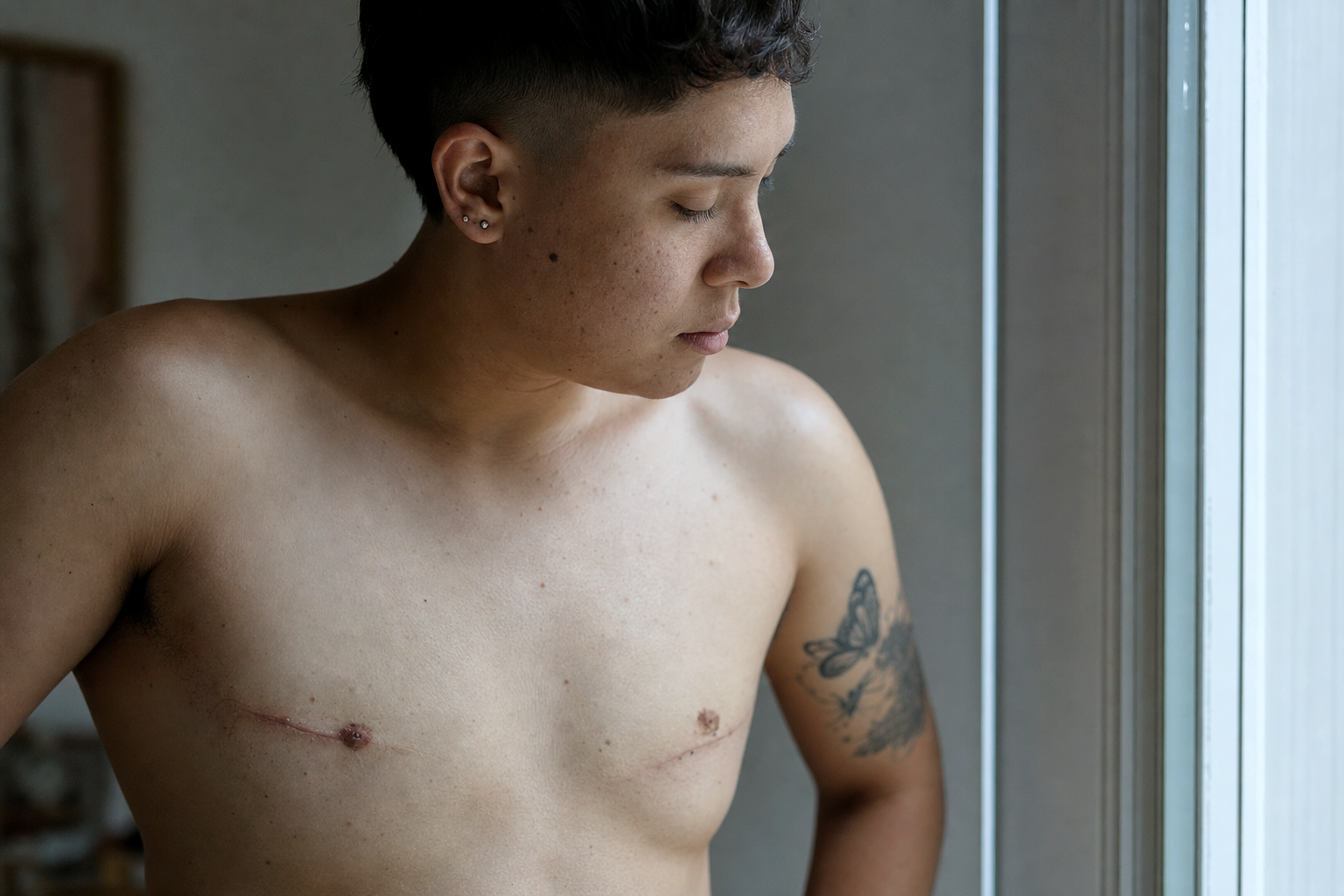
The value of modern ftm top surgery techniques lies in how carefully they can be tailored to the individual. No two chests are alike, and the range of approaches available today — double incision, periareolar, keyhole, buttonhole, and inverted-T — allows the surgical plan to follow the patient's anatomy rather than the other way around. Skin elasticity, chest size, nipple position, and long-term goals all inform which method is appropriate.
A well-matched technique offers several practical advantages. The first is a flatter, more naturally contoured chest, with attention paid to the pectoral shape rather than simple tissue removal. The second is thoughtful handling of the nipple-areola complex — repositioning, resizing, and preserving sensation where the technique allows. The third is scar placement designed to sit within the natural shadow beneath the pectoral muscle, so the result reads as a chest rather than a corrected one.
Beyond aesthetics, refined techniques reduce the likelihood of revision. Careful liposuction contouring at the sides and axilla, precise dog-ear management, and meticulous closure all contribute to a result that holds its shape over time. For smaller chests, keyhole and periareolar approaches can preserve much of the original nerve supply, meaning erogenous and tactile sensation is often retained. For larger chests, double incision offers reliable flatness and predictable healing, with free nipple grafts sized and placed to suit the new proportions.
There is also the quieter benefit of recovery. Modern protocols — drain management, tissue-sparing dissection, and shorter operative times — mean less time spent unwell and a steadier return to daily life. Taken together, these techniques are less about a single procedure and more about a considered outcome: a chest that feels unremarkable in the best sense.
How ftm top surgery techniques Works
 %22%2F%3E%0A%20%20%3Cg%20transform%3D%22translate(666%20410)%20scale(8.542)%22%20fill%3D%22none%22%20stroke%3D%22%23f9fafb%22%20stroke-width%3D%222%22%20stroke-linecap%3D%22round%22%20stroke-linejoin%3D%22round%22%20opacity%3D%220.3%22%3E%0A%20%20%20%20%3Crect%20x%3D%223%22%20y%3D%223%22%20width%3D%2218%22%20height%3D%2218%22%20rx%3D%222%22%2F%3E%0A%20%20%20%20%3Ccircle%20cx%3D%229%22%20cy%3D%229%22%20r%3D%221.8%22%2F%3E%0A%20%20%20%20%3Cpath%20d%3D%22M21%2015l-5-5L5%2021%22%2F%3E%0A%20%20%3C%2Fg%3E%0A%20%20%3Ctitle%3EHow%20ftm%20top%20surgery%20techniques%20Works%20%E2%80%94%20i%3C%2Ftitle%3E%0A%3C%2Fsvg%3E)
FTM top surgery techniques share a common goal — creating a flat, contoured chest — but the route each takes depends on tissue volume, skin elasticity, and where the nipple sits relative to the fold beneath the breast.
The consultation begins the process. Measurements are taken, skin quality is assessed, and the position of the nipple-areola complex is mapped. From this, the surgeon selects an approach: double incision, periareolar, keyhole, or a buttonhole variation. Each follows a distinct sequence.
In a double incision, two horizontal cuts are placed along the pectoral border. Breast tissue is removed through this opening, the skin is redraped, and excess is trimmed to sit smoothly against the chest wall. The nipples are resized, repositioned higher, and grafted onto their new site. Sensation in the grafted tissue is generally lost, though the aesthetic result suits larger chests well.
A periareolar approach suits smaller chests with good skin retraction. An incision is made around the areola, tissue is removed through that ring, and the skin is drawn inward like a purse-string before closure. The nipple stays attached to its blood supply, preserving sensation.
The keyhole method is reserved for minimal tissue and tight skin. A small incision at the lower edge of the areola allows the gland to be lifted out without repositioning the nipple.
A buttonhole technique combines elements of both — a double incision for skin removal, but with the nipple kept on a pedicle of tissue rather than grafted, protecting some sensation.
Drains are usually placed to manage fluid. A compression garment is worn for several weeks to help the skin settle against the underlying muscle. Swelling resolves gradually, and the final contour becomes visible over the following months as scars soften and mature.
Common Questions About ftm top surgery techniques
Which technique will suit me? That depends on chest size, skin elasticity, and the position of your nipples. Smaller chests with firm skin may be candidates for periareolar or keyhole approaches. Larger or looser chests are usually better served by double incision, which allows the surgeon to remove excess skin and reposition the nipple-areola complex as a free graft.
Will I have visible scars? Yes. Every technique leaves some mark. Periareolar scars sit at the edge of the areola and tend to fade well. Double incision scars run horizontally across the chest and are more noticeable early on, though most soften over 12 to 18 months. Scar care, genetics, and sun exposure all play a role.
Can I keep nipple sensation? Techniques that preserve the pedicle, such as keyhole and periareolar, offer the best chance of retaining erotic and tactile sensation. Free nipple grafts, used in double incision, typically result in reduced or absent sensation, though some superficial feeling may return over time.
How long is recovery? Most people return to desk work within one to two weeks. Drains, when used, are usually removed within the first week or two. Full activity, including heavy lifting and upper-body exercise, is generally restricted for six to eight weeks.
Can results be revised? Yes. Minor revisions for dog-ears, scar refinement, or nipple positioning are common and often planned from the outset. Discuss revision policy with your surgeon before you book.
Conclusion
Choosing between FTM top surgery techniques is rarely a straightforward decision. Double incision offers the most predictable results for larger chests and looser skin, while periareolar and keyhole approaches suit those with less tissue and good skin elasticity. Buttonhole sits between them, preserving the nipple stalk when size and ptosis allow. Each carries its own trade-offs in scarring, sensation, and revision rates.
A few points worth holding onto: technique should follow your anatomy, not the other way around; scar placement is a long-term consideration, not a cosmetic afterthought; and an experienced surgeon will often recommend the option you didn't expect. Recovery timelines and sensory outcomes vary more than online forums suggest.
The sensible next step is a consultation with a surgeon who performs all of these procedures regularly. Bring your questions, your chest measurements if you have them, and a clear sense of what matters most to you.